What Are Little Girls Made Of
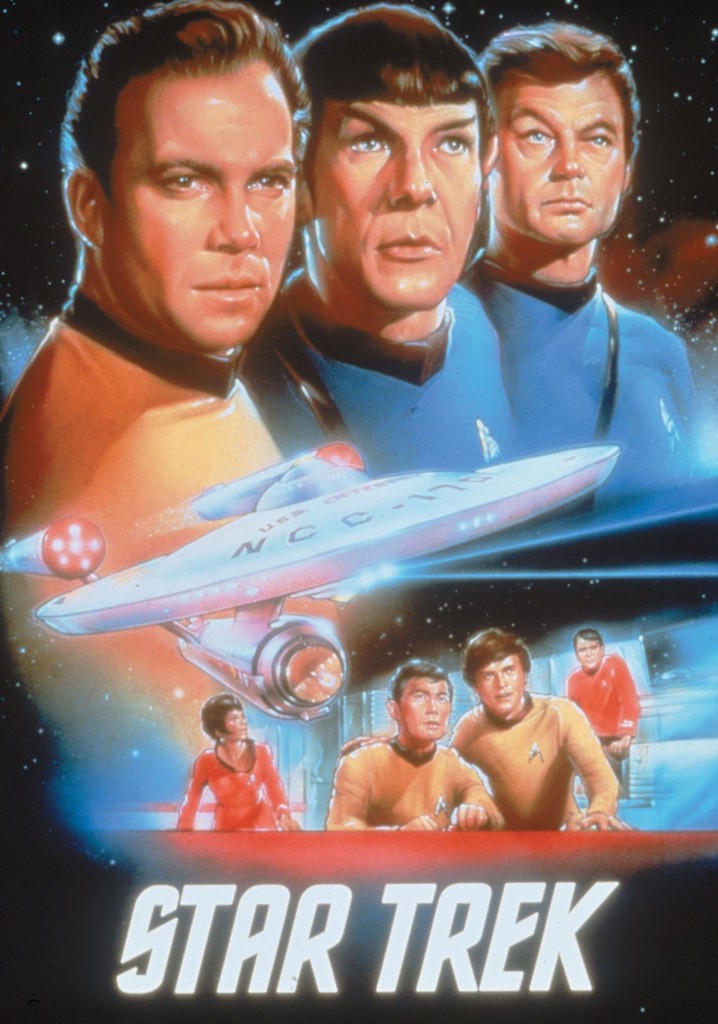
Episode Overview: Roger Korby, described as the “Pasteur of archaeological medicine” has built a reputation recovering the knowledge of dead alien civilizations, until five years ago when his entire expedition was lost on the frozen world Exo III. Or was it? When Enterprise assumes orbit, someone using Korby’s voice responds to their hails. It seems Korby discovered that the civilization of Exo fled their ice age by going underground. He has uncovered some of their science, including their machinery for producing hardy androids – and for transferring a consciousness into such a machine. And he has plans for that technology. Ambitions, sinister plans…
Air date: 10/20/1966
Directed by: James Goldstone
Guest Stars: Michael Strong as Dr. Roger Korby, Ted Cassidy as Ruk, Sherry Jackson as Andrea, Harry Basch as Dr. Brown, Vince Deadrick Sr. as Matthews, Budd Albright as Rayburn.

Of all the episodes of Star Trek: The Original Series I’ve watched so far, “What Are Little Girls Made Of?” might be the most relevant to the world we live in today. At its heart, the episode explores a fascinating ethical question: Just because we have the technology to do something, does that mean we should?
The Enterprise travels to a remote planet where Dr. Roger Korby, a brilliant scientist who hasn’t been heard from in five years, has finally been located. What should be a straightforward rescue mission quickly becomes something far more mysterious.
Korby has discovered advanced android technology capable of creating artificial beings that look, act, and even think like humans. It’s an incredible scientific breakthrough, one that could potentially change humanity forever. However, the way Korby intends to use this technology seems to contradict the very ideals he once stood for.
As the episode unfolds, there’s a growing sense that something isn’t quite right. Korby’s behavior, his discoveries, and his vision for the future all suggest that there’s more happening beneath the surface than anyone initially realizes. The story does a great job of gradually building that uneasiness while keeping you questioning what’s really going on.
One of the most fascinating concepts the episode explores is the possibility of transferring a person’s consciousness, memories, and personality into an android. If everything that makes you you could be transferred into a machine, would that essentially grant you immortality? Or would the result simply be a machine that believes it’s you?
Interestingly, this same concept comes up decades later in The Big Bang Theory, where Sheldon Cooper considers transferring his consciousness into a robotic body so he can continue his scientific work indefinitely. Obviously, The Big Bang Theory approaches the idea with considerably more humor, but the underlying question is remarkably similar.
And that’s what I find so compelling about this episode.
When Star Trek originally aired in 1966, artificial intelligence and humanlike androids were largely science fiction. Today, with AI advancing at an astonishing pace and robotics becoming increasingly sophisticated, these questions don’t seem nearly as far-fetched.
We’re already wrestling with how much responsibility we should give machines, what it means for technology to imitate human intelligence, and whether every scientific advancement is necessarily a good thing. Dr. Korby’s discoveries might be fictional, but the ethical dilemmas surrounding them feel very real.
What makes the story particularly effective is that Korby doesn’t necessarily see himself as doing anything wrong. He believes his discoveries represent progress and an opportunity to improve humanity. Yet his determination to achieve that future raises serious questions about how much of our humanity we’re willing to sacrifice in the name of advancement.
“What Are Little Girls Made Of?” is a well-crafted episode that combines mystery, suspense, and some genuinely thought-provoking science fiction. The story works on its own, but its continued relevance makes it even better.
Nearly sixty years after it first aired, we’re still debating the same questions this episode raised. In fact, those conversations may be more important now than they were in 1966.
That’s one of the things I appreciate most about Star Trek. At its best, it isn’t just about exploring strange new worlds. It’s about exploring ourselves and challenging us to think about the consequences of our decisions.
And this episode does exactly that.