Charlie X
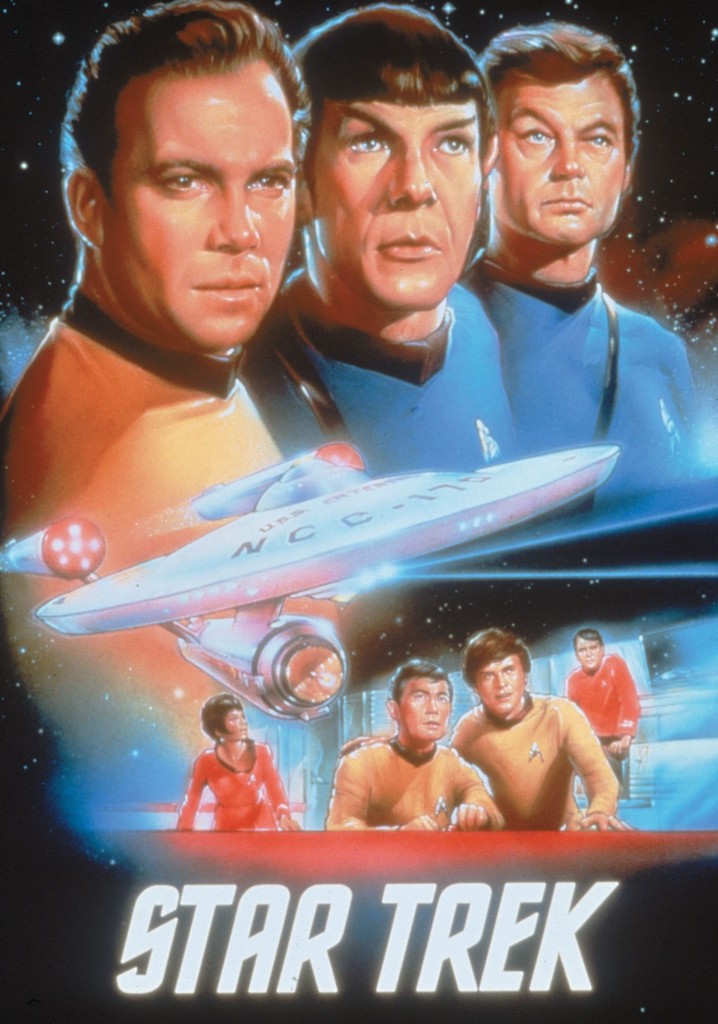
Episode Overview: A small ship, the Antares, transfers a passenger to Enterprise. He is Charles Evans, recently recovered from the lifeless planet Thasus, having survived there since he was marooned by the crash that killed his parents. Oddness seems to accompany Charlie. Antares calls, with a warning her captain does not finish delivering before his ship explodes. Soon enough it becomes clear that Charlie is a young man of extraordinary powers, able to cause things to happen merely by willing them to. Kirk must regain control of his ship from a troubled, dangerously powerful teenager.
Air date: 9/15/1966
Directed by: Lawrence Dobkin
Guest Stars: DeForest Kelly as Dr. Leonard Horatio “Bones” McCoy, Nichelle Nochols as Lt Nyota Uhura, Grace Lee Whitney as Yeoman Janice Rand, Robert Walker Jr. as Charles Charlie Evans, Abraham Sofaer as The Thasian, Dallas Mitchell as Nellis, Don Eitner as Navigator, John Bellah as Crewman I, Garland Thmpson as Crewman II.

“Charlie X,” the second episode of Star Trek: The Original Series, is an interesting episode to revisit because the show is still so early in its run that many of the characters have not yet been fully established. That becomes especially noticeable in a few scenes that clearly want to tell us something important about Captain Kirk, even though we do not yet have enough history with him for those moments to carry their full weight.
At one point, Kirk is described as “one of a kind.” Knowing what Captain Kirk eventually becomes as a character, that line makes perfect sense. At this point in the series, however, the audience has not really been shown why that is true yet. The same is true of Kirk’s reluctance to become a father figure. It feels like there is supposed to be some deeper meaning behind that hesitation, but this early in the series we simply do not have enough context. Having seen enough Star Trek to know where the character eventually goes, I can appreciate what the episode is trying to establish, even if it does not quite land yet.
The story of “Charlie X” follows the crew of the USS Enterprise after they are asked to transport a young man named Charlie Evans to a human colony. Charlie has spent most of his childhood isolated after becoming stranded on a planet that was believed to be uninhabited.
Almost immediately, it becomes clear that Charlie has no idea how to handle being around other people. He struggles with basic social interaction, rejection, attraction, frustration, and anger. That would already make his adjustment to life among humans difficult enough, but Charlie is hiding something much more dangerous: he possesses extraordinary powers.
That is where the episode becomes more interesting.
Charlie is not simply an evil character threatening the Enterprise. He is essentially an emotionally undeveloped teenager suddenly surrounded by people after years of isolation—and he has the ability to make almost anything happen simply because he wants it to.
Captain Kirk becomes the person Charlie most admires, which puts Kirk in a difficult position. He has to protect his crew while also trying to teach Charlie about responsibility, self-control, and the fact that wanting something does not mean you are entitled to have it.
There are some genuinely strong ideas here, particularly the question of what happens when someone with almost no emotional maturity is given nearly unlimited power. Charlie can make people disappear, punish anyone who embarrasses him, and try to force relationships to develop the way he wants them to. The danger does not necessarily come from hatred. It comes from someone who has never learned how to hear the word “no.”
That makes Charlie a surprisingly tragic character as well.
For me, though, “Charlie X” ultimately feels like an average episode of Star Trek: The Original Series. There are good concepts throughout the story, and Charlie himself is more complicated than a typical villain, but it feels as though something is missing. Part of that may simply be because this is only the second episode and the relationships between Kirk, Spock, McCoy, and the rest of the Enterprise crew have not yet developed enough to give the story the emotional weight it is reaching for.
Later episodes will have years of character development to lean on. “Charlie X” does not have that luxury.
It is certainly not a bad episode, and there are enough interesting ideas here to make it worth watching. Still, at this early stage of Star Trek, it feels more like a glimpse of what the series will eventually become than a fully realized example of it.