Fiction – Hunger
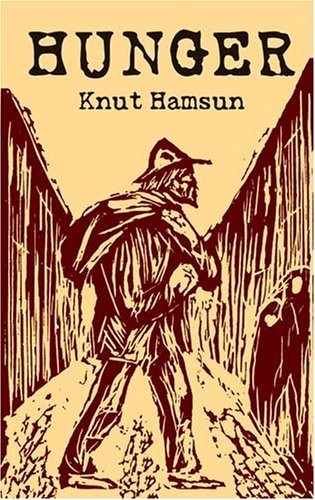
Overview: Knut Hamsun made literary history with the publication in 1890 of this powerful, autobiographical novel recounting the abject poverty, hunger and despair of a young writer struggling to achieve self-discovery and its ultimate artistic expression. The book brilliantly probes the psychodynamics of alienation, obsession, and self-destruction, painting an unforgettable portrait of a man driven by forces beyond his control to the edge of the abyss.
Pages: 134 Pages
Writer: Knut Hamsun
Recommendations:

Hunger is considered a classic of modern literature, and that reputation is what initially drew me to it. Narrated entirely from the perspective of its unnamed protagonist, the novel dives deep into the inner world of a struggling writer in a nameless city—likely Oslo—who is unable to make ends meet. As his situation deteriorates, he falls into poverty, hunger, and homelessness, selling off his few remaining possessions just to survive.
What makes Hunger so compelling is its raw, unfiltered stream of consciousness. You don’t just read about the protagonist’s suffering—you live inside it. Hamsun masterfully captures the internal monologue of a man unraveling, torn between desperation and pride. At times, you can’t help but think he might have alleviated some of his suffering if only he had swallowed his pride or recognized the misunderstandings surrounding him. But that pride—so human, so tragically stubborn—continually sabotages him.
What stood out most to me was how the novel portrayed the complexity of humanity. Even as the narrator spirals deeper into hardship, he still attempts to help others, often to his own detriment. These gestures are noble on the surface, but sometimes they’re driven more by pride than compassion, highlighting the fine line between generosity and self-destruction. There’s a line I once heard: “As long as you can give something away, you are not poor.” That sentiment feels like a quiet theme running beneath the surface of this novel.
I’ll admit, there are moments where the narrative drags. The slow pacing and introspective style can be demanding, especially for readers expecting a more action-driven plot. But that’s not what this book is about. Hunger is an intense psychological portrait—a study in existential despair, pride, and the fragility of the human condition.